Search


09 Apr 2026
Search
09 Apr 2026

Please allow ads as they help fund our trusted local news content.
Kindly add us to your ad blocker whitelist.
If you want further access to Ireland's best local journalism, consider contributing and/or subscribing to our free daily Newsletter .
Support our mission and join our community now.
To continue reading this article, you can subscribe for as little as €0.50 per week which will also give you access to all of our premium content and archived articles!
Alternatively, you can pay €0.50 per article, capped at €1 per day.
Thank you for supporting Ireland's best local journalism!

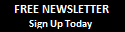
A blockade of an Irish oil refinery is “an act of national sabotage”, the country’s premier said, amid several co-ordinated protests over fuel prices.
Hauliers and agricultural contractors staged a series of slow-moving convoys on motorways as well as blockades of fuel depots and major routes across the country on Tuesday and Wednesday.
In a statement, Taoiseach Micheal Martin said the decision of some protesters to block access to the Whitegate oil refinery in Co Cork was an “outrage”.
He said: “It makes absolutely no sense in the fuel crisis we are currently facing.
“It is beyond belief that people would seek to deny people around the country access to vital fuels.
“Businesses and people’s livelihoods depend on this fuel. It is an outrage.”
Earlier, deputy premier and Finance Minister Simon Harris described the blocking of fuel distribution as a “despicable attack on our economy and our society”, adding “the laws of the land must and will be applied without fear”.
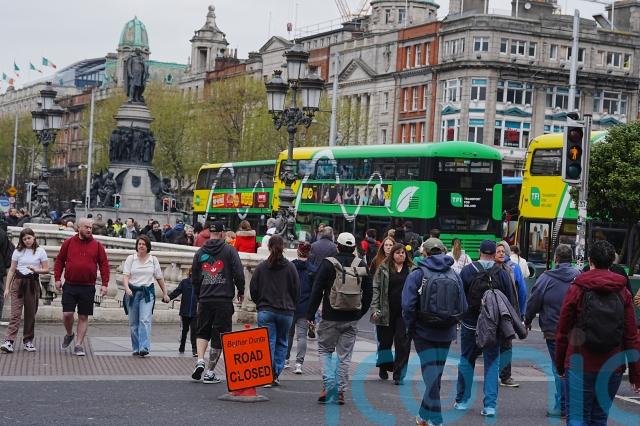
Earlier, Mr Martin described the blocking of traffic in Dublin city centre as “wrong” and said those breaking the law would be penalised.
The Taoiseach said the main thoroughfare of the Irish capital should not be turned into a “car park” as traffic and travel disruption caused by the protest continued into a second day.
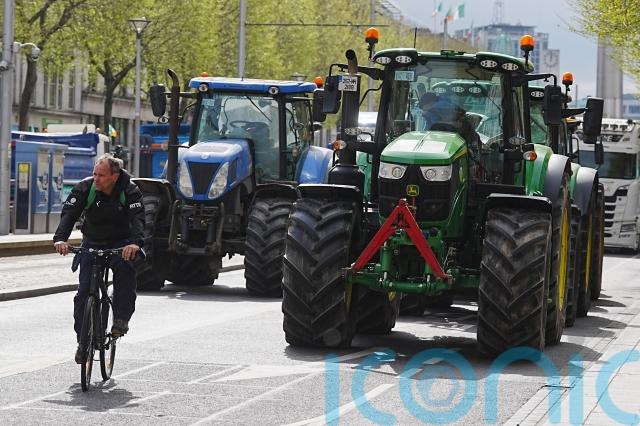
Mr Martin criticised the protest as he met Mr Harris and Minister of State at the Department of Transport Sean Canney at Government Buildings on Wednesday morning to discuss fuel prices.
“The protests at the moment are wrong,” Mr Martin said.
“To prevent mobility, to prevent people from accessing livelihoods, medical appointments, disrupting day-to-day activities in the manner that has happened, is wrong and is a wrong form of protest.”
Asked if gardai would clear the protesters on roads and around fuel depots he added: “There’s no justification whatsoever for blockading fuel depots.
“It runs counter to what everybody wants, which is access to fuel on a timely basis.”
He also added later that he had heard attempts had been made to stop animal feed from leaving ports, which “will become an animal welfare issue very shortly, if that happens”.
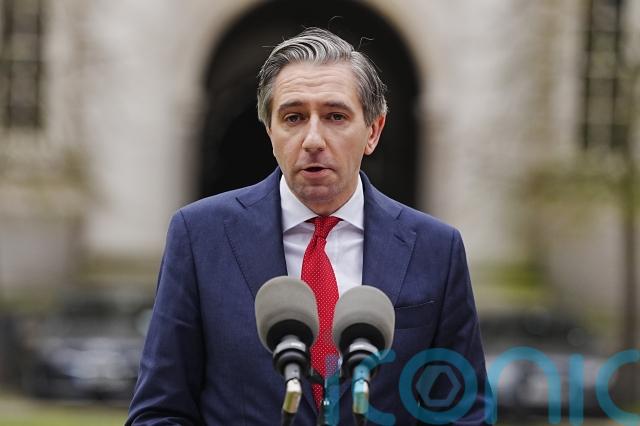
He said that while he respected the right to protest, it was “not acceptable” to turn Dublin’s O’Connell Street “into a car park”.
“There should be penalties and there will be penalties” for anyone who violates the law, he said.
Mr Harris said the Government is engaging with national representative bodies and the disruption caused by the protests was “not in our national interest, it’s not in our economic interest, it’s not in the interest of social cohesion”.
Asked if the Government would meet the groups involved in the protests, Mr Martin responded there are “many, many different groups and many different voices” involved and “the only feasible way to engage is with the national representative bodies of the different sectors, and that’s what we’re going to do”.
He said: “We live in a parliamentary democracy, we have elected representatives and the Government is elected by the Dail.
“The Government deals and works with and engages, in normal circumstances, with the national organisations.
“And that will continue to be the case and there will be no deviation from that.”
Mr Harris added “there may be a small number of particular challenges this morning” but he said he wanted to “reassure motorists and reassure people in our country that there is adequate fuel supply in Ireland”.
The TDs emphasised measures to tackle rising energy prices announced by the Government last month.
Mr Martin said the 250 million euro (£218 million) package of support was “the most generous in Europe” and the Government was spending nearly four million euro (£3.5 million) a day “on alleviation measures as a result of the package that we announced”.
Asked if a drop in the cost of crude oil would lead to prices dropping immediately, Mr Harris said if that trend was maintained it “would have a positive impact in terms of being passed on at the pump”.
He said there is always “some bit of a lag” but noted there was not much of a lag when prices increased and added: “So there shouldn’t be much of a lag if the cost starts to fall, and we’ll engage constructively with industry in relation to this and continue to monitor this through our various agencies”.
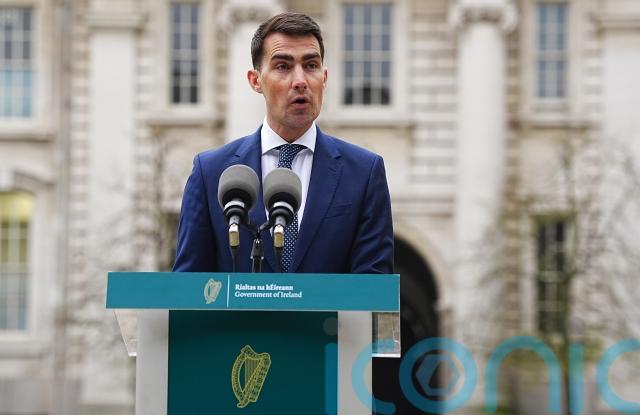
Earlier on Wednesday morning, Public Expenditure Minister Jack Chambers said the Government had a briefing from the National Oil Reserves Agency (Nora), which said its oil reserves are “well capable of shoring up different supply gaps for a considerable duration”.
He said it had an 85-day supply of diesel or gasoline, 99 days of petrol and 70 days of kerosene.
In statements on Wednesday afternoon, An Garda Siochana and Dublin Fire Brigade appealed to protesters to leave routes clear for emergency vehicles.
Gardai said they had “asked and asked again” for protesters to engage with them “to facilitate public transport and other traffic”.
They said they had received reports of “emergency workers being delayed or not being able to travel to their work, of people not being able to attend hospital appointments or visit loved ones who are ill”.

Subscribe or register today to discover more from DonegalLive.ie
Buy the e-paper of the Donegal Democrat, Donegal People's Press, Donegal Post and Inish Times here for instant access to Donegal's premier news titles.
Keep up with the latest news from Donegal with our daily newsletter featuring the most important stories of the day delivered to your inbox every evening at 5pm.

This publication supports the work of the Press Council of Ireland and Office of the Press Ombudsman, and our staff operate within the Code of Practice of the Press Council. You can obtain a copy of the Code, or contact the Council, at www.presscouncil.ie, Lo-call 1800 208 080 or email: info@presscouncil.ie.