
HSE urges Clare parents to vaccinate children against measles
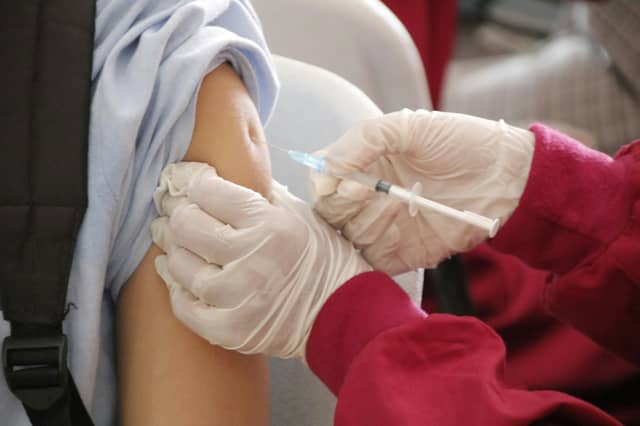

HSE issues appeal to parents after significant increase in measles cases in Europe and the UK
The HSE is urging parents to make sure children and young people are up to date with their MMR (measles, mumps, Rubella) vaccine due to a rise in cases in parts of the UK and Europe.
The MMR vaccine protects against measles, mumps and rubella. We advise people to be vigilant and take necessary steps to prevent the spread of this highly contagious virus.
Measles can be unpleasant and is a potentially serious and highly infectious disease that can spread easily through respiratory droplets. The HSE recommends that people make sure they are up to date with MMR vaccine to prevent spread of the disease if cases occur in Ireland.
Dr Breda Cosgrove, Consultant in Public Health Medicine at Public Health HSE Mid-West, said: "With the ongoing measles outbreak in the UK, we are concerned that we may see measles cases here in Ireland."
"Vaccination is the best way to protect your child against measles but here in the Mid West, we know that 1 in 10 children are currently not up-to-date with their MMR vaccine.
"We're urging parents to check that their children are up-to- date with their MMR vaccine and if they're not, please contact your GP to catch up," she added.
Dr Lucy Jessop, Director of the National Immunisation Office, HSE said: “The importance of taking precautions to protect both the individual and the community from measles cannot be understated.
"While measles is preventable through vaccination, the virus spreads very quickly between people who are not vaccinated and can have severe consequences, particularly for babies and vulnerable groups.
"Getting vaccinated against diseases like measles, mumps and rubella is vitally important as these conditions can also lead to other serious problems including meningitis, hearing loss and problems during pregnancy," Dr Jessop continued.
"Remember, if you or your child has missed their childhood vaccines, it’s not too late to catch up."
To protect your family and community against measles, ensure that you and your family members are up-to-date with the measles, mumps, and rubella (MMR) vaccine, by contacting your GP to check.
Vaccination is the most effective way to prevent measles and protect against its complications. Two doses are recommended to be considered fully vaccinated. The first dose is given when your child is 12 months of age. It is important to get the first MMR on time at 12 months and not delay because measles is more severe in young children. The second dose is due when your child is in junior infants.
If you or your family members have missed an MMR vaccine, it is strongly advised to schedule a vaccination appointment with your GP.
With the mid-term break coming up, it is particularly important that anyone travelling to the UK ensures they have received the right number of MMR vaccines for their age.
Maintain proper hand hygiene by washing hands frequently with soap and water. Avoid touching your face, especially your eyes, nose, and mouth, to reduce the risk of infection.
Monitor for symptoms and stay vigilant for symptoms of measles. These include:
- high fever
- cough
- runny nose
- characteristic red rash.
If you or a family member develop these symptoms, or have been in contact with someone with measles, stay at home and contact your doctor by phone for advice, and inform healthcare providers of any recent travel history.
If you think someone in your family has measles, phone your doctor immediately for advice. Keep the child or adult at home and refrain from visitors coming to your home unless they know they are protected against measles (they have had two doses of MMR vaccine).
Further information about the MMR vaccination is available at www.immunisation.ie.
See the HSE website for more information about the signs and symptoms, treatment and risks of measles www.hse.ie/ conditions/measles.