
You are not alone this Christmas - Expert advice on coping with grief
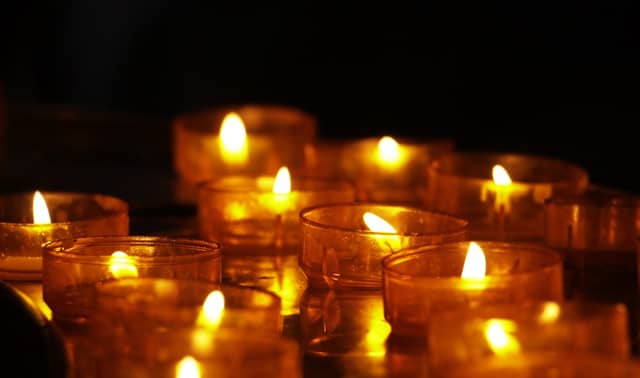

Orla Keegan, Head of Bereavement at the Irish Hospice Foundation, shares her expertise on grief during the Christmas period
Orla Keegan, Head of Bereavement at the Irish Hospice Foundation, spoke to Newstalk about people dealing with grief and loss of all kinds during the Christmas period.
"We know 35,000 people die in Ireland each year so that's an awful lot of family members who are for the first time ever meeting a Christmas without somebody important," Ms Keegan said.
According to The Irish Hospice, "The first Christmas after loss may bring many challenges. Perhaps the person you’ve lost was the person who used to decorate the tree or make the Christmas pudding or look after some other special Christmas job. You really miss them when those traditions come around. Simple decisions such as whether or not to hang up stockings or how to set the table for one less person can lead to feelings of deep upset and loneliness."
Grief and younger Children
Ms Keegan shares that "with children its really important to include them and its really important to help them remember the person who has died....sometimes we try and protect children and that can mean they are feeling really pressurised to make sense of what's happening."
She explains, in the interview with Newstalk, that pretending like the loss didn't happen can confuse and worry children even more.
Personal Grief
For those who are going through grief this Christmas, Ms Keegan offers some advice:
"Try and anticipate what you can't face and if there are things you can't face like putting up a tree or writing a card, having the full Christmas meal bring that to the family and say look guys I can't do this this year and be open about it."
She said, "You have to be gentle and patient and allow yourself to be in pain."
Losses less visible
There are losses, Ms Keegan described, "that can be felt so deeply by people by are invisible to others."
She remembers one Christmas Eve taking a call like where a person was "mourning their little dog" and she herself shared that she will be mourning the loss of her own dog that she lost back in April.
Miscarriages are another example, Ms Keegan offers people experiencing this kind of loss to "be together, feel the pain and do what you can do. If you can step out of it, step out of it."
"There are people so far beyond having children of their own," Ms Keegan explains that people who were never able to have children might also be grieving this Christmas.
Help and Advice from The Irish Hospice Foundation
The Irish Hospice Helpline is not open on Christmas Day, St Stephens Day or New Years.
It is available from 10am-1pm on the weekdays on 1800-807077
The service provides help from trained people to listen and chat in times of need.
- Plan ahead. Acknowledge that Christmas will now be different and while you may choose to keep some traditions, others may have to be changed or dropped altogether.
- Keep things simple. Think about what is meaningful and realistic for you and discuss this with other family members.
- Begin new traditions if you think it might help.
- Let the people around you know if you’re comfortable talking about the person who died, if you would prefer not mention their name. People may assume you don’t want them to mention it either.
- Plan some quiet time for yourself. Grieving is tiring and energy sapping. When you can, lie down or take a short walk.
- If there are children in the family, try to include them in the planning. Ask them for their ideas on how to spend the day.
- Young children may need to be reassured that Santa is still coming and to know it’s okay to enjoy Christmas even if people are sad.