
Voting continues in Irish General Election


Voting in the Irish General Election continued into Friday evening after a quick campaign that focused on the country’s most pressing issues.
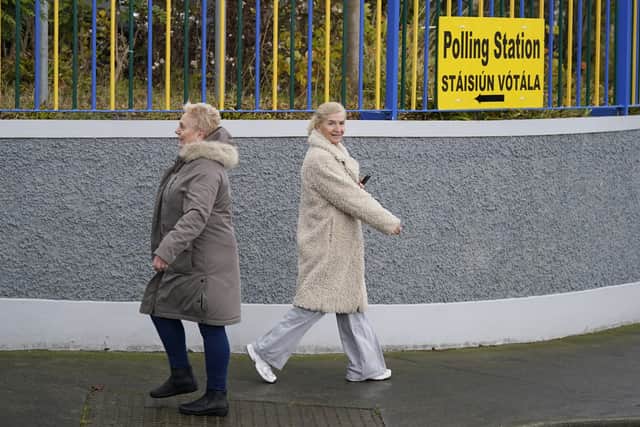
Turnout tipped across 40% in some areas by 6pm amid fears that harsh winds and heavy rain may deter some voters.
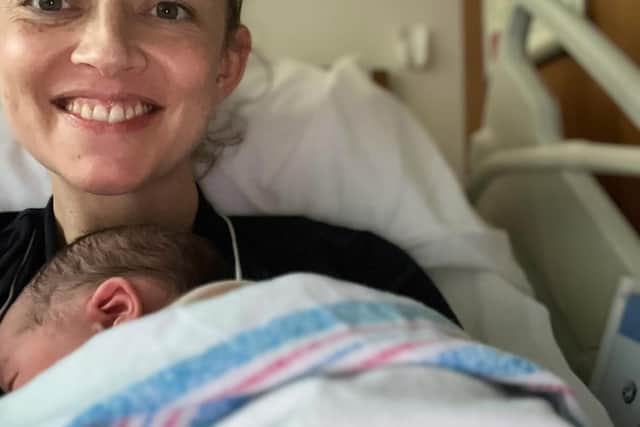
The leaders of all the main political parties cast their votes, except for the head of the Social Democrats Holly Cairns – who gave birth to a baby girl on polling day.
Current Taoiseach Simon Harris said he expects a “fascinating couple of days” after he submitted his ballot minutes after polling stations opened.
Speaking after voting on Friday, Mr Harris said that the make-up and stability of the next government could be decided by where transfer votes go – a key part of Ireland’s complex electoral system of proportional representation with a single transferable vote (PR-STV).
The Fine Gael leader arrived at the polling station in Co Wicklow just before 7.30am with his wife Caoimhe and their children, Saoirse, five, and Cillian, three.
“I’m feeling really hopeful, hopeful in terms of the election, but hopeful for the future of our country,” he said.

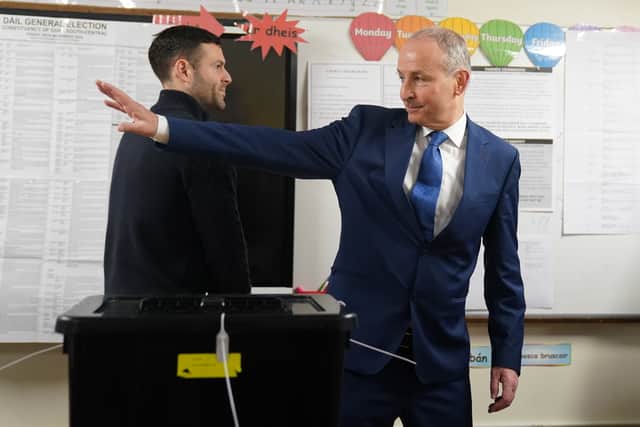
Ireland’s deputy premier Micheal Martin urged people to brave the wet and windy weather to attend their local polling station: “I encourage people to vote – it’s a key part of our democracy.”
Mary Lou McDonald, the leader of the largest opposition party, said it was “decision day” after she voted in Cabra, Dublin.
She said it was a particularly significant election for younger people as she urged people to vote.
“I just want to encourage everybody to come out and make their mark on what can be, in my belief, a really significant, in fact, a historic day where we can elect a new government for change,” she said.
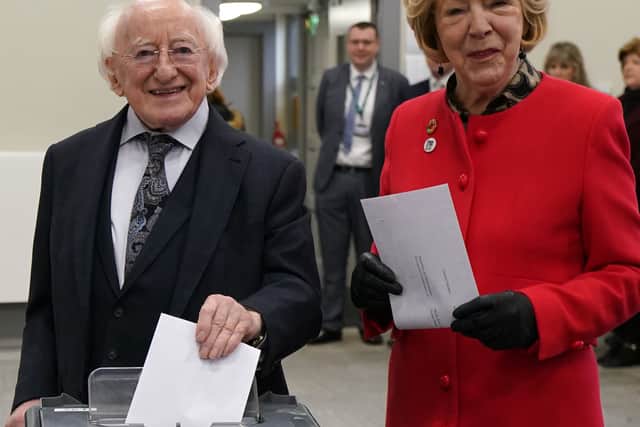
Labour leader Ivana Bacik, Green leader Roderic O’Gorman, People Before Profit leader Richard Boyd Barrett, and Social Democrats deputy leader Cian O’Callaghan were among those who voted in Co Dublin.
Meanwhile, Independent Ireland founder Michael Collins voted in Co Cork and Aontu leader Peadar Toibin cast his vote in Navan.

More than three million registered voters will pick their representatives across 43 constituencies, in a campaign that has focused on the country’s housing crisis, the response to a dramatic increase in immigration, and economic management for the cost of living as well as potential future trade shocks.
After the 2020 general election delivered an inconclusive result, Fine Gael and Fianna Fail, two parties forged from opposing sides of Ireland’s Civil War of the 1920s, agreed to set aside almost a century of animosity and share power.
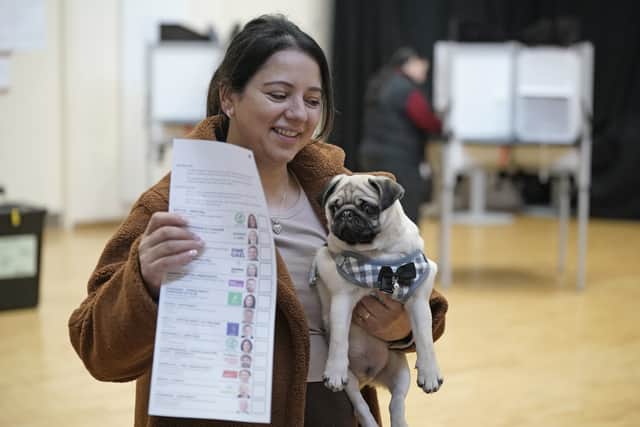
An exit poll at 10pm will provide the first sense of what Ireland’s next government may look like. The arithmetic to form a majority could prove tricky though, with the country’s several smaller parties – and many independents – potentially jockeying for a place in government.
It will end a lacklustre three-week campaign that seemed to fail to ignite a surge of enthusiasm among the public, after the election was officially called by Mr Harris on November 8.
That decision was ultimately his prerogative, and occurred while Fine Gael was enjoying a lift in the polls after he took over as leader from Leo Varadkar earlier this year.
It also came at a time when Sinn Fein was beset by a string of controversies in the preceding weeks – including former party members writing job references for a colleague who was later convicted of child sex crimes.

One key flashpoint in the campaign arose out of Donald Trump’s presidential election victory in the US, which brought heightened concern around what his proposals for corporation tax and tariffs could mean for Ireland.
As such, the scale of Sinn Fein’s spending proposals have been dubbed as irresponsible by Fianna Fail and Fine Gael, who have argued that Ireland needs to prepare for potential trade shocks with more prudent financial management.
But the campaigning tactic has been derided as “project fear” and “desperate scaremongering” by critics.
Meanwhile, Fine Gael’s campaign has been plagued with several controversies which the Taoiseach has been unable to shake.
These include a much-criticised encounter in which Mr Harris was accused of dismissing the concerns of a disability care worker at a supermarket, a video of another party candidate involved in a fight outside a pub, and an endorsement of a Fine Gael minister by Ryanair boss Michael O’Leary – that suggested teachers should not run the country.
The party of Mr Martin – a former teacher – also faced criticism over its proposals to decriminalise cannabis for personal use.
Fianna Fail’s approach to drug use formed part of a wider row on handling the justice portfolio, which has come into sharp relief in the context of 2023’s Dublin riots and a perception that the capital is unsafe.
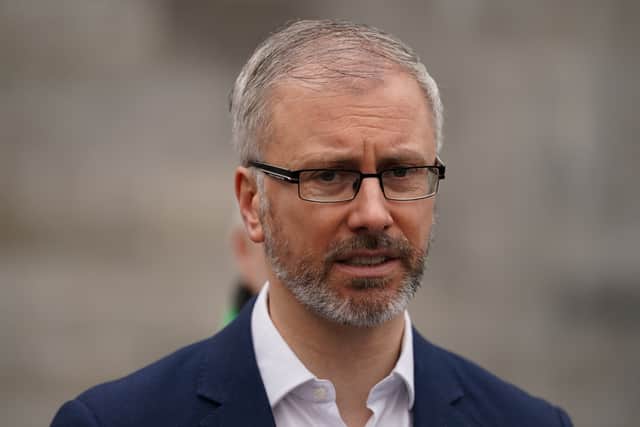
After the 2020 election, Fine Gael and Fianna Fail relied on the Green Party as a junior partner to secure the coalition’s majority.
Mr O’Gorman said it looks likely his government partners will be returned to power, but cautioned they could seek an “easier life” over the next five years.
He said this could result in “right-wing independents” or “small populist parties” padding out the numbers.
The final results will immediately kick-start government formation speculation – amid the possibility that more than three parties will be needed to get over the line.
The protracted process of counting ballots by hand will begin on Saturday.
As Ireland uses a system of proportional representation where candidates are ranked by preference, the voting slips need to be counted several times – an undertaking which can last days.