
Tests underway to find if seaweed can cut methane in cow burps

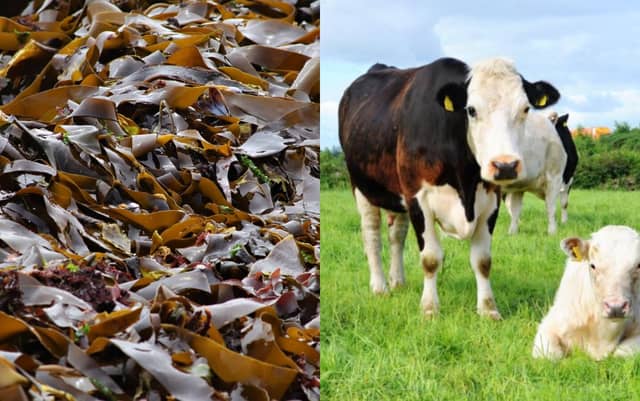

Seaweed could help reduce methane in cattle burps, with tests underway to gauge the effectiveness of the measure in curbing the climate-harming emissions.
The project is co-ordinated by the state agriculture body Teagasc.
As part of the project, Scientists are searching the west coast for seaweed
Seasolution Project proposes to comprehensively screen and test the efficacy in reducing methane emissions from cows, cattle and sheep of natural and native, abundant seaweeds and seaweed fractions that reach the requirements of long-term efficacy, without negative effects on: animal feed intake, the environment, productivity of animals, and food and animals safety.
The aim of Seasolutions is to evaluate the effects of native, sustainable seaweeds on total methane gas production by characterising seaweeds and their actives and using different in vitro rumen fluid models and animal trials in sheep, cattle and dairy cows.
The project also looks at how processing of seaweeds impacts on bioactivity and ability to reduce methane and the impact of feeding seaweeds on meat and milk quality.
The Seasolutions Project is committed to making a positive impact on methane emissions in agriculture by positively effecting the rumen and rumen microbiota using seaweeds and seaweed-derived ingredients to reduce methane emissions and improve ruminant health.
Partners include Teagasc and IT Sligo (IRE), AAFC (Canada), FLI (Germany), SLU and KTH (Sweden), NIBIO and SINTEF (Norway) and AFBI and QUB (Northern Ireland).