
Stardust inquest coroner begins summary of evidence


The coroner overseeing the inquests of the 48 people who died in the blaze at the Stardust Ballroom in Dublin has started summing up months of evidence.
The inquest into the deaths began in April of last year and has heard evidence from 373 people.
Last Friday marked the beginning of the end of the inquest, when parties gave their closing submissions to the jury.
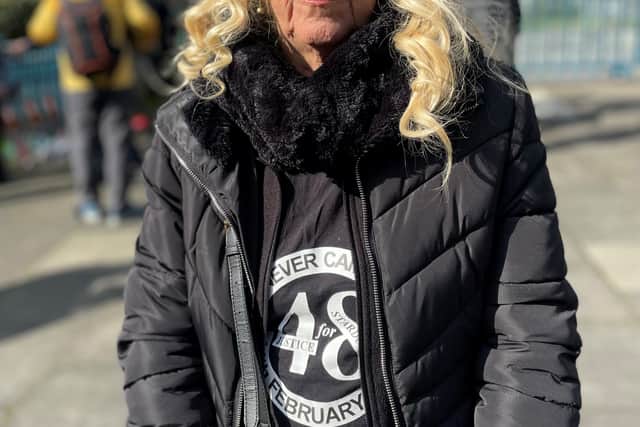
The fire in Artane in the north of the city broke out in the early hours of Valentine’s Day in 1981.
The new inquest, which is the longest ever held in Ireland, is coming close to an end following months of evidence.
Dr Cullinane told the jury that they have heard evidence from witnesses across 95 days, and that they have shown “great commitment” throughout the stressful proceedings.
Dr Cullinane also said that it is their responsibility to consider all the evidence and return a verdict.
She said she would instruct the jury on the law that applies to their deliberations.
Dr Cullinane also told the jury she would go through the verdicts that are available for them to return, and would go through a list of questions or issues she prepared that will help structure their findings.
She said they should approach their task in an objective manner and that they will have heard discrepancies and conflicting evidence from different witnesses, but it is up to them to “accept or reject” it.
She also told the inquest that they heard evidence from 373 people, including three forensic pathologists and three fire experts.

Dr Cullinane is summarising the evidence from a number of architects, engineers, building surveyors and electrical inspectors as well as evidence from a salesman from a floor covering company which supplied carpet tiles that were used on the walls of the premises.
She is also providing a summary from the former manager of the Stardust, Eamon Butterly, who sat in the witness box for eight days last year.
An original inquest in 1982 lasted just five days and recorded the cause of deaths in accordance with medical evidence, with no reference to the circumstances or the cause of the fire.
After a long campaign by the victims’ families, in 2019 then-attorney general Seamus Woulfe directed that new inquests should take place.