
Government repeating past policy mistakes, watchdog warns
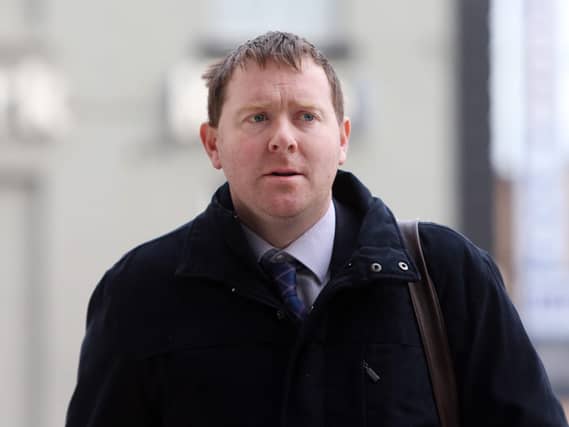

The Fiscal Advisory Council has warned that underlying deficits are rising at a time of low unemployment.
The Government is “repeating past policy mistakes” amid a “deteriorating” budgetary position, its fiscal watchdog has said.
The Fiscal Advisory Council has warned that underlying deficits are rising at a time of low unemployment, revenue is becoming more concentrated and spending is growing faster than the sustainable growth rate of the economy.
In the Council’s latest Fiscal Assessment Report, it further warns that the public finances remain reliant on corporation tax and that the Government will be “borrowing to save” in its recently established funds.
The body’s chairman, Seamus Coffey, said: “The current plans point to spending growing faster than the economy, alongside a growing reliance on risky corporation tax receipts.
“A stronger fiscal framework, including a domestic rule, would help guide better budget decisions.”
The Council has made four recommendations around avoiding the “ups and downs of the economic cycle”, running bigger surpluses, introducing a national rule to guide spending growth net of tax changes and improving the production of budgetary forecasts.

The report highlights that planned net spending growth in Ireland is the fastest in the EU, and the Government is planning on spending the vast majority of corporation tax receipts, meaning the public finances are less prepared for “predictable budgetary pressures”.
The Council says the coalition plans to run relatively small surpluses, which will not be sufficient to fund its contributions to three savings funds.
Instead, the watchdog says that intentions to borrow to finance some of these contributions “depart from the original purpose of the new funds, which was to save, rather than spend, risky corporation tax receipts”.
The Council further warns that “fiscal vulnerabilities are increasing”.
It said: “The economy continues to perform well but elevated energy prices are a risk to future growth.
“Ireland’s dependence on fossil fuels means energy costs are set to rise in 2026. Faster progress on renewables would have reduced this impact.”
It added: “While the headline numbers look healthy, they mask growing weaknesses in the public finances.”
It said the State remains heavily reliant on corporation tax paid by a handful of foreign-owned multinationals and cautioned that Ireland is “missing an opportunity to prepare for future challenges” of an ageing population and climate change.
The Council also warns that resources for Budget 2027 “have been eaten up” with likely overruns in 2026 – and rising “standstill costs” due to inflation and population growth – leaving less room for new spending while staying in planned rises in gross voted spending in 2027.
This comes from the council’s calculations on social welfare payments, a public sector pay deal matching private sector wage growth, and capital spending increases.
It said there will be no room for new policy measures in the Budget while staying within the spending limits of the medium-term plan.
This assumes no efficiency gains in public spending.