
EXPLAINER: Traditions of Nollaig na mBan or Women's Christmas

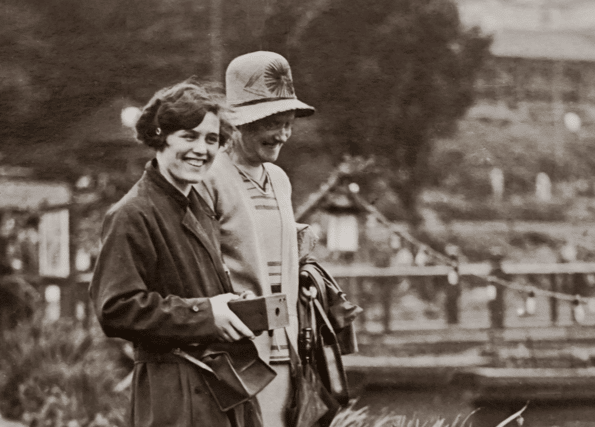

January 6 is marked in unique ways which date back to ancient Ireland
Women's Christmas or Nollaig na mBan is marked on January 6 annually, and is unique to Ireland in many ways.
Some sacred traditions have been passed down from generations before, with the day being known as the official end of Christmas and the start of new beginnings.
Also known as Little Christmas, the day has religious ties as it represents the Christian belief as the day which the three wise men went to Bethlehem after the birth of Jesus Christ.
Traditionally, the day would have seen women get together and have a day off for the conclusion of the Christmas season, relieving them of their housework and looking after their family.
Superstition surrounds the day, as it is considered unlucky in Ireland to take down the Christmas tree and decorations before the twelfth day of Christmas, January 5.
While many mark the day by simply decluttering and taking down the decorations after Christmas, other unique traditions were practised for many years passed.
In some parts of the country, mothers rubbed the tail of a herring across the eyes of their children to give immunity against disease for the rest of the year.
It was also believed that one should have the floor swept and have a bucket of clean water ready before going to bed that night, and that the water from that bucket should never be used in the morning.
On a sinister note, Women's Christmas was also associated with the Irish death divination customs. One ancient tradition was that a "cake" of mud or clay was made and candles named for the family members in the house were placed into it. The order in which the candles burned out indicated the order in which the owners of those candles would die.
By the mid 20th century, the traditions and practising of rituals for Nollaig na mBan had largely died out, but remains celebrated in some rural parts of the south, mainly in Munster.