
EXPLAINED: How your car can be affected by the cold weather
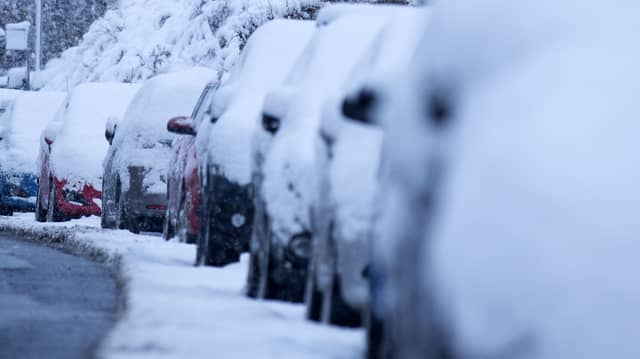

Temperatures across Ireland are starting to fall following a period of out-of-character mildness. With the weather only set to turn chillier over the next few months, cars up and down the country will be affected by this change.
But what happens to your car when the weather turns cold and is there anything you need to look out for? Let’s take a look.
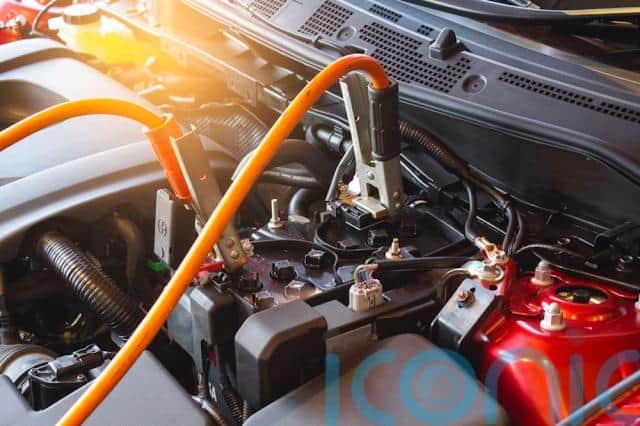
During warmer temperatures, your battery isn’t under too much strain when it’s relied upon to get your car going. However, when things turn chillier, your car is put under extra pressure to deliver the right amount of energy to start your car’s engine.
So in the event of a snap, you might notice that your car struggles to start. Even though it may eventually get going, this delay is likely caused by a failing battery. It’s a good idea to get it checked out by a trained professional and, if necessary, replaced.
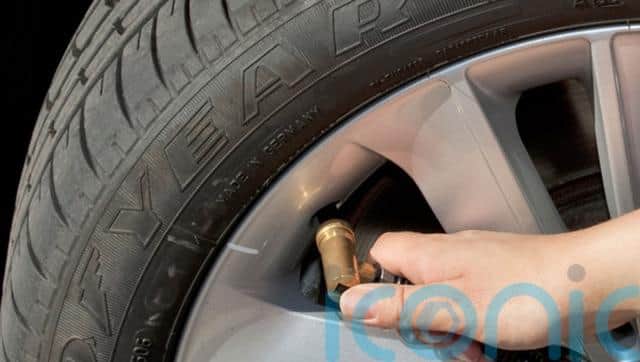
Falling temperatures can see your tyre pressures drop too. Even a slight decrease can have a big impact on how effectively your tyres grip, something you really don’t want on those slippery winter roads.
So if there has been a big change in exterior temperature, it’s a good idea to check your tyres over. You’ll be able to find your car’s recommended tyre pressures in the car’s handbook, behind the fuel filler door and sometimes inside the driver’s door shuts (the area underneath the door when it’s closed).
Wipers
Grit and grime both become a common occurrence on the roads in winter, which is why your wipers can often degrade more quickly than during the summer. You might notice that they’re not as effective at clearing a screen as before, while they might also make an unpleasant scrubbing noise.
The best way to solve this is to simply swap them out for a new set. This can be done easily yourself, though many car part suppliers will be able to do it for you too.
In a petrol engine, spark plugs are absolutely essential as they’re a core part of the whole combustion process. If a spark plug has failed – and they often do during colder weather – you might sense that your car is down on power and doesn’t feel as keen to accelerate.
This is something you’ll need to have checked out by a garage. It’s also worth checking your servicing history to check the last time they were replaced.
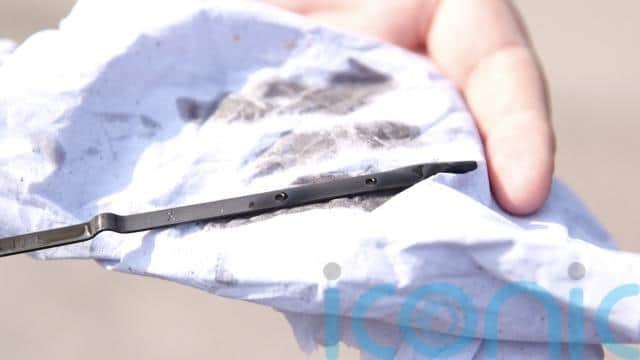
Your car has all different types of fluids running through it. During colder temperatures, fluids such as your car’s oil can get thicker and not work as effectively, potentially exposing key parts of your engine to damage.
One of the best ways to combat this is to give your car 10 minutes to warm up prior to moving away. This gives those fluids a good opportunity to warm up and thin out.