
Battle lines drawn as hospitality VAT becomes first key row in election campaign
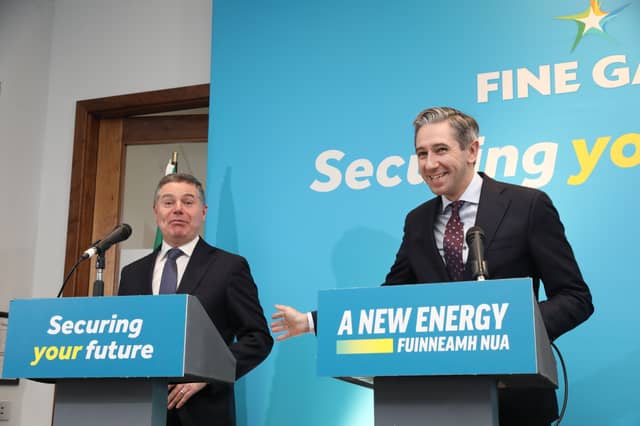

Hospitality VAT has emerged as one of the first key election rows after Fine Gael vowed to cut rates for food-related businesses to 11%.
The pledge came just weeks after no change to the hospitality rate was implemented in the Budget.
The party’s coalition partners have questioned the implications of the proposal, with Fianna Fail labelling the move as “regressive”.
Opposition parties said the timing of the announcement will “ring hollow” and represents “policy-making on the back of an envelope”.
Criticism of the proposal, which would not apply to hotel rooms, has stemmed from its potential impact on energy and gas prices.
Taoiseach Simon Harris set out his Fine Gael party’s plan for businesses at the start of a busy day of campaigning on Saturday, the morning after formally announcing the election.
The VAT pledge came just over a month after the coalition Government chose not to cut rates, despite extensive lobbying from the sector.
The rate was cut to 9% to support the hospitality sector during the pandemic before being restored to 13.5%.
The industry had been calling for a 9% rate in the Budget announced on October 1, with an 11% middle ground also floated.
However, no cut was announced and the rate remained at 13.5%, to the disappointment of hospitality representatives.
Fine Gael is planning to permanently reduce VAT on food-based hospitality, entertainment and hairdressing.
Adrian Cummins, of the Restaurants Association of Ireland, welcomed the move, saying Fine Gael had listened to the concerns of food-led businesses.
He said: “It’s early days of the campaign but from a hospitality perspective, what we are hearing is extremely positive and recognises our lobbying activity regarding a VAT reduction being key for stability in our industry.”
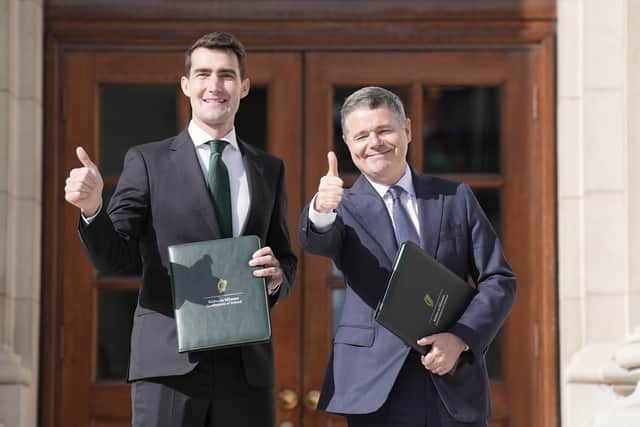
He said it would directly lead to a 2% increase in energy bills for every business and household in the country, and raise gym membership fees.
Mr Chambers said his party would deliver a permanent 9% VAT rate on gas and electricity for five years.
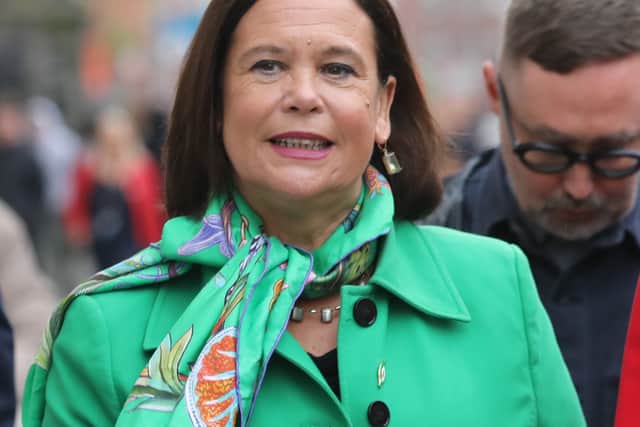
“This is nonsense, it is policy-making on the back of an envelope,” she added.
Labour leader Ivana Bacik said the proposal rang “hollow”, adding that the Government had the opportunity to “make a difference for struggling business” in the the last Budget.
She said: “It is going to ring hollow for many small businesses to see Fine Gael now prospectively offering a cut in the VAT rate.”
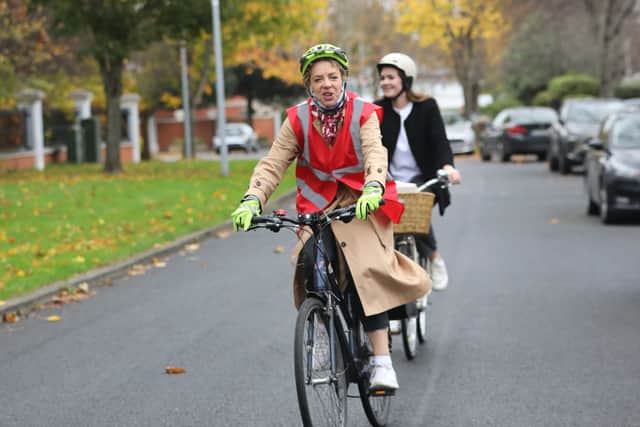
Asked on Saturday why the measure was not included in the Budget, Mr Harris said it had not been possible to deliver everything Fine Gael wanted to in the final package agreed by the three-party coalition.
Pressed on the exclusion of hotels, he defended the decision and said it was targeted around the cost of food rather than hotel rooms.
Despite the exclusion of hotel beds, independent regional hotelier Elaina Fitzgerald Kane said the announcement was a “beacon of hope” for a tourism industry which had felt neglected by the Government.
Ms Fitzgerald Kane, former president of the Irish Hotels Federation and ex-chairwoman of the Irish Tourisim Industry confederation, told the PA news agency that the cut would have significant benefits for gastropubs and hotels which have restaurants as a large part of their business.
“Someone like this will make a big, big difference.”
However, she cautioned that supports needed to be accessible to businesses.
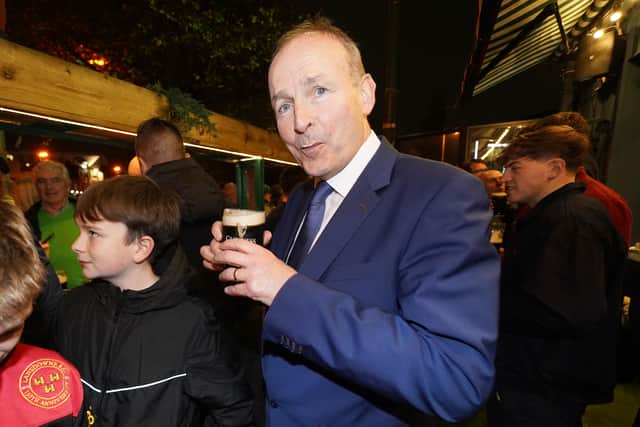
Asked in Cork about the 11% proposal, Fianna Fail leader Micheal Martin said it meant gas and electricity prices would have to rise, and that his party had committed to keeping VAT at 9% for energy prices.
However, he said he was not ruling anything out as it will provide a 300 million euro support fund for businesses and a 1.5% reduction in the PRSI for employers who have staff on the minimum wage.
Asked if the Greens would support the 11% VAT rate, party leader Roderic O’Gorman said: “We’ll be making our proposals clear at our manifesto launch next week but we are looking to make sure – particularly for that hospitality sector – that we can bring in meaningful supports for them.”
Fine Gael is also promising a PRSI rebate for small local businesses and 4,000-euro grants towards energy bills for the hospitality sector.
Mr Harris said the measures to cut costs for businesses would be delivered within the first 100 days of government.
He said: “Small businesses are the backbone of the Irish economy.
“That is why Fine Gael will permanently cut the VAT rate to 11% for food-based and entertainment businesses, as well as hairdressers, to give these businesses certainty.”